- Ongwen Laodog
- Posts
- Not Your Normal News From Lango


Ongwen Laodog (Not Your Normal Newsman)
A War in the Middle East… and a Surprising Opportunity for Lango
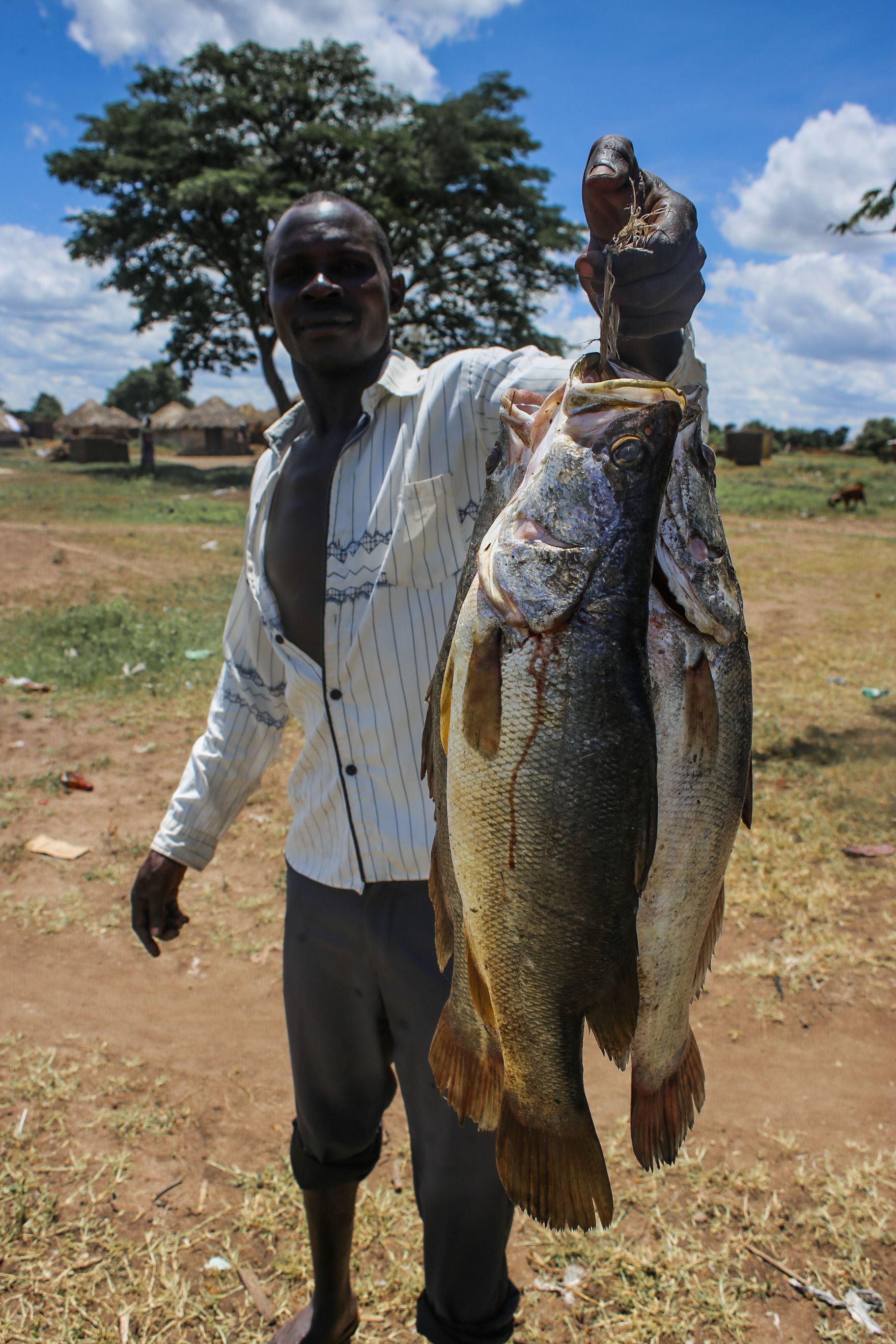
A fisherman showing off his day’s catch from Lake Kwania
At first glance, a war thousands of kilometres away in the Middle East might seem to have nothing to do with everyday life in Lango.
After all, when we hear news about tensions between Israel, Iran, and the United States, the images that come to mind are oil tankers in the Persian Gulf, missile systems, and diplomatic tensions between global powers. Lira, Amolatar, Dokolo, and Apac feel very far away from all that.
But in today’s interconnected world, even distant conflicts can send quiet ripples through places like Lango. And surprisingly, some of those ripples may carry not only risks—but opportunities as well.
One of the most immediate ways global conflicts affect places like Uganda is through fuel prices.
Much of the world’s oil passes through the Middle East. Whenever tensions rise in that region, global oil markets react quickly. Even the possibility of disruptions can push prices upward
For Lango, higher fuel prices would mean higher transport costs. Traders bringing goods into markets in Lira or Aduku would pay more to move their products. Farmers who hire tractors could see the cost of ploughing increase. And transport between rural areas and town markets could become more expensive.
But this is only one side of the story
Lango’s greatest economic strength is something many of us take for granted: we grow food
The region produces large quantities of maize, sunflower, soybeans, simsim, cotton, and livestock. These are not just crops for local consumption—they are increasingly part of regional and international markets
History shows that during periods of global instability, food-producing regions often become more valuable.
For example, the Russia–Ukraine war disrupted global supplies of sunflower oil and grain. When large suppliers struggle to export, buyers begin searching for alternatives. Countries start looking elsewhere for cooking oil, animal feed, and staple grains.
And sometimes, “elsewhere” includes places like Lango.
By Ongwen Laodog
A Small Request From Ongwen Laodog
Dear reader,
If you’ve been enjoying my stories — the humor, the history, the “from-the-ground-in-Lango” flavor — please consider supporting my work through a donation. Your contribution helps me spend more time digging up rare stories, taking unique photos, interviewing elders, and serving you those delicious cultural insights that mainstream media ignores.
I started Not Your Normal News to preserve the stories, language, and wisdom of Lango. Every edition is my way of connecting our elders’ voices, our heritage, and our innovations with Ugandans spread across the world. I try to tell these stories the Lango way: lightly, playfully, and honestly — just like we chat at the trading centre.
But to keep this work growing, I need your support. Funds help with equipment, travel, research, and production costs so I can keep bringing you the stories that would otherwise disappear.
I’m also available for personalized genealogy projects — for individuals or families. If you want your family tree documented in video or written form, I can help you trace your roots, interview your elders, and produce a beautiful family documentary.
Thank you so much for your support — financial, material, or even simply by reading every edition. It truly keeps this work alive.
Ongwen Laodog
email: [email protected]
Whatsapp: +256751227228
Mobile: +256785345614
1